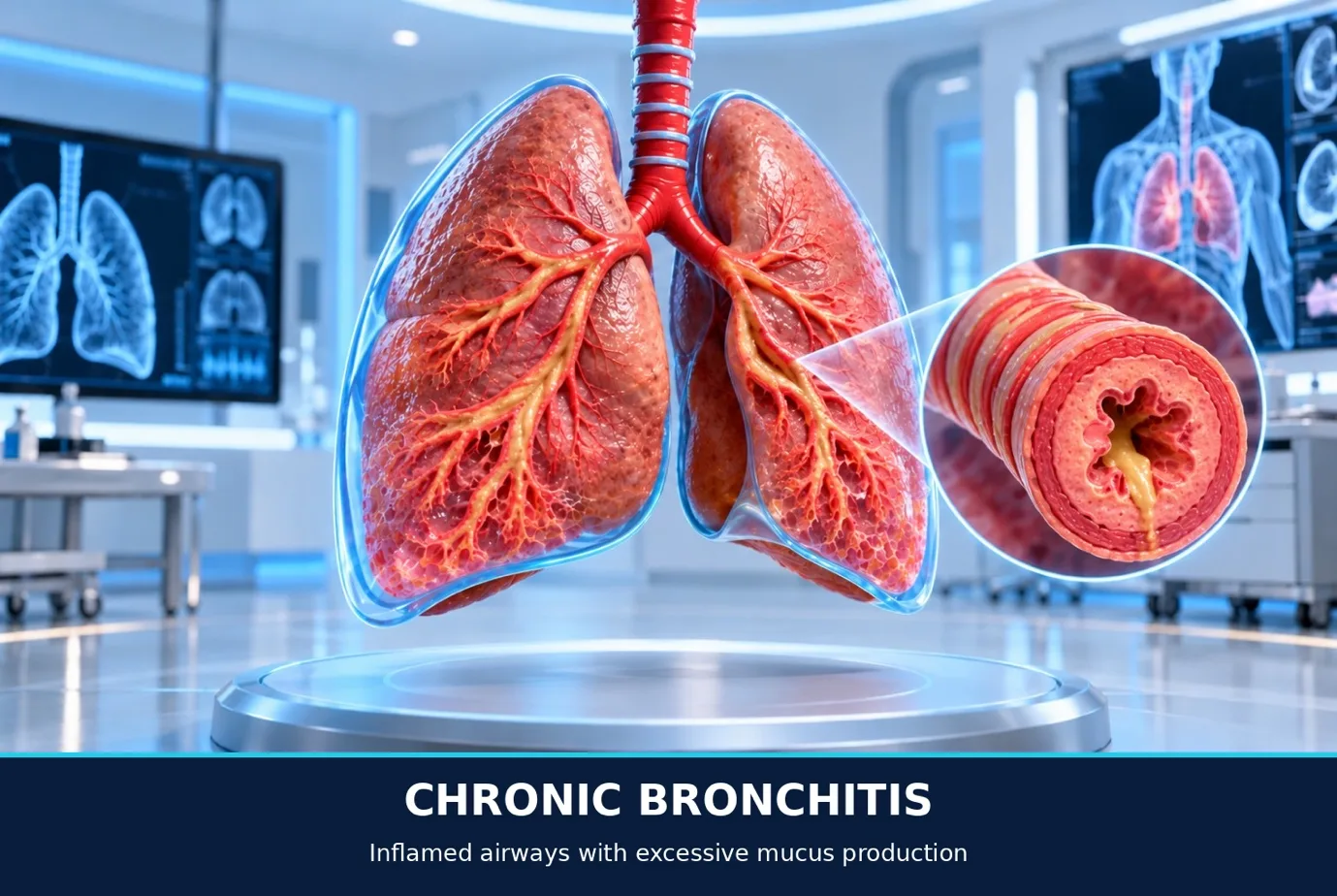
In asthma, the airways — the tubes that carry air to and from the lungs — are more sensitive than normal. When exposed to a trigger, three things happen together:
- Inflammation: the lining of the airways becomes swollen and irritated
- Bronchoconstriction: the muscles around the airways tighten
- Mucus: extra, thick mucus is produced and can block smaller airways
Together these narrow the airways, making it harder to move air in and especially out — which causes wheeze, cough, chest tightness and breathlessness.
How treatment works
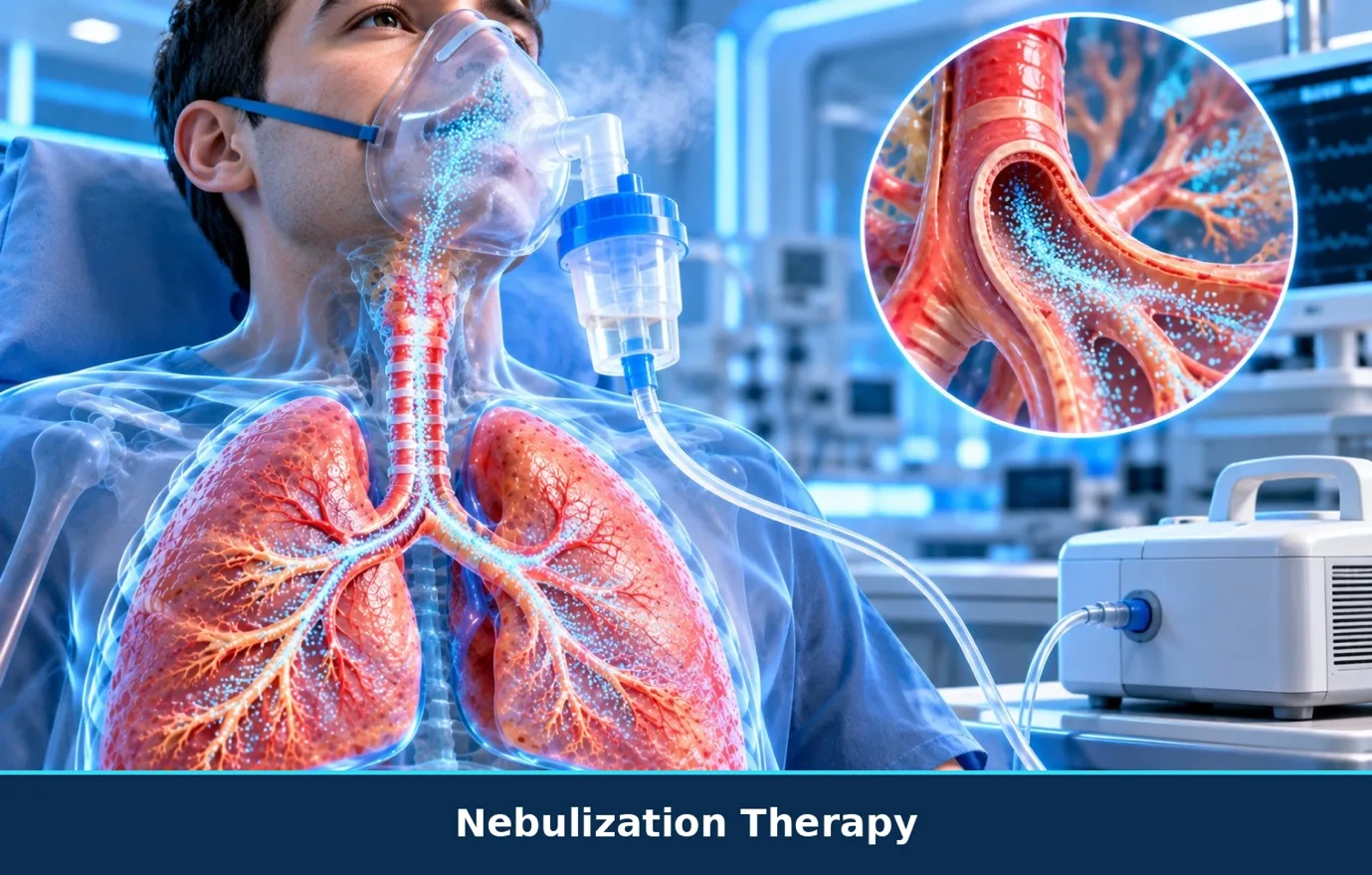
Preventer (controller) inhalers — typically containing an inhaled corticosteroid — reduce the underlying inflammation when taken regularly. Reliever inhalers relax the tightened muscles quickly during symptoms.
Because inflammation is present even when you feel well, using your preventer as prescribed is the key to long-term control. Good inhaler technique matters as much as the medicine itself.
This article is for general education and is not a substitute for personal medical advice. Please consult a doctor about your specific situation.