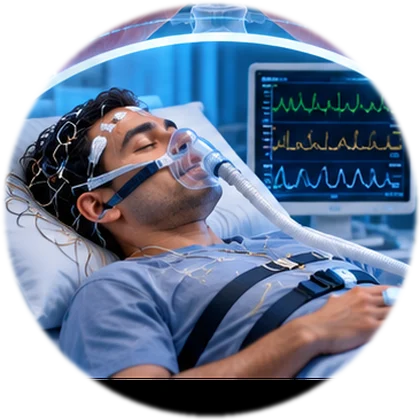
Obstructive sleep apnea (OSA) happens when the muscles of the throat relax during sleep and the airway narrows or closes. Breathing pauses repeatedly, oxygen levels fall and sleep is broken — often without the person being aware.
Warning signs
- Loud, regular snoring
- Pauses in breathing or gasping noticed by a partner
- Unrefreshing sleep and daytime sleepiness
- Morning headaches
- Poor concentration and irritability
Why treat it?
Untreated OSA is associated with high blood pressure, heart disease, stroke, diabetes, and an increased risk of road accidents due to sleepiness.
Diagnosis and treatment
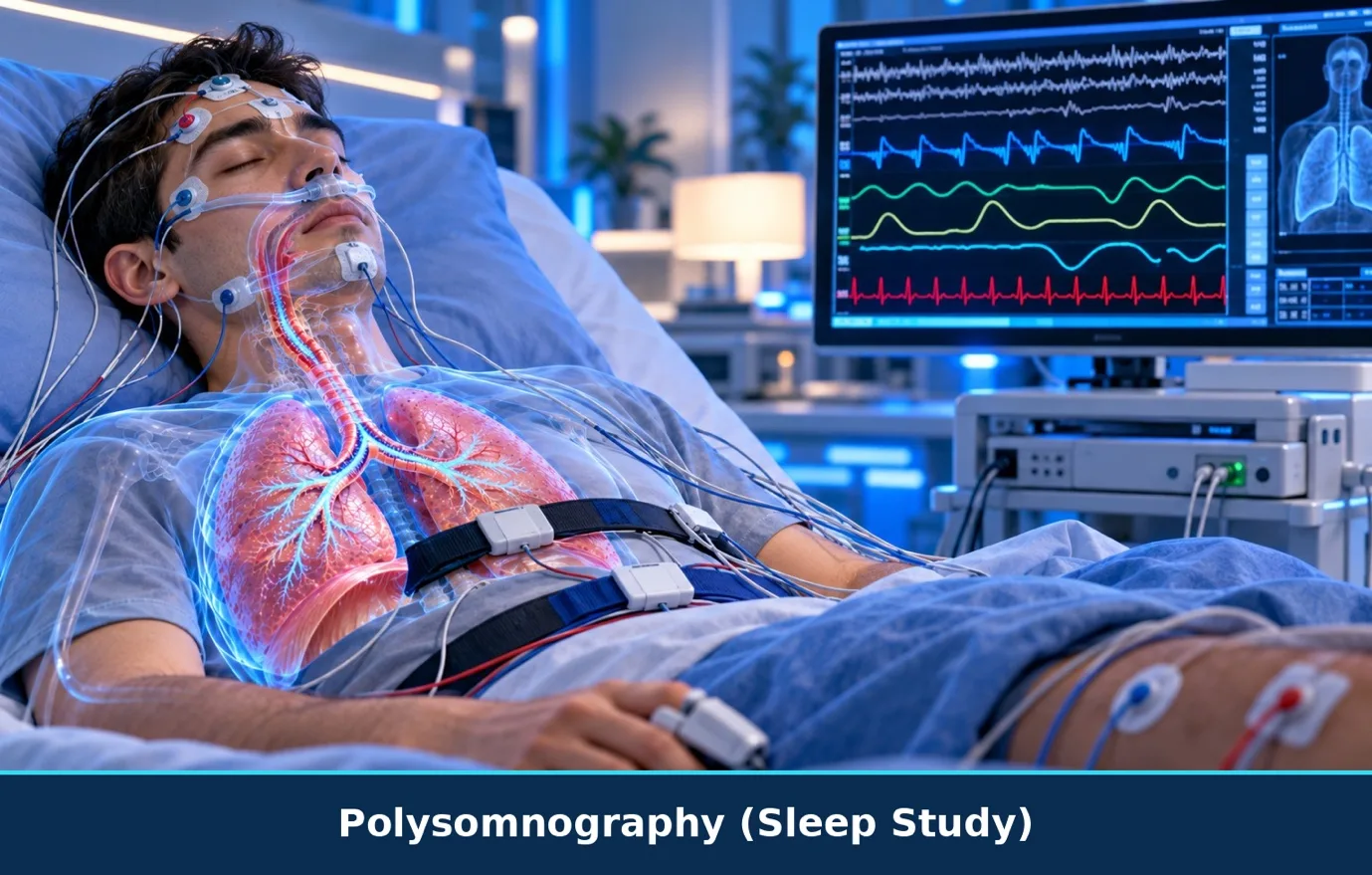
OSA is diagnosed with a sleep study (polysomnography). Treatment options include CPAP therapy, weight management, positional therapy and, in some cases, oral appliances or surgery.
This article is for general education and is not a substitute for personal medical advice. Please consult a doctor about your specific situation.