What is Sleep Apnea?
Obstructive sleep apnea (OSA) is a condition in which the throat repeatedly narrows or closes during sleep, briefly stopping or reducing breathing. Each episode lowers oxygen levels and briefly wakes the brain, fragmenting sleep.
Untreated OSA is associated with high blood pressure, heart disease, stroke, diabetes and road traffic accidents. It is very treatable once diagnosed.
Common symptoms
- Loud, habitual snoring
- Pauses in breathing, choking or gasping noticed by a partner
- Excessive daytime sleepiness or dozing off while driving
- Morning headaches and a dry mouth
- Poor concentration, irritability and mood changes
- Frequent night-time urination
Possible causes & risk factors
- Excess body weight and a thick neck
- Enlarged tonsils or a narrow jaw
- Nasal obstruction
- Alcohol and sedative medicines
- Older age and male sex (risk increases in women after menopause)
When should you consult a pulmonologist?
- Loud snoring with observed pauses in breathing
- Excessive daytime sleepiness
- Difficult-to-control blood pressure with snoring
- Before major surgery if you snore heavily
Diagnostic investigations
Your evaluation is tailored to your symptoms and history. It may include:
- Sleep questionnaires and clinical assessment
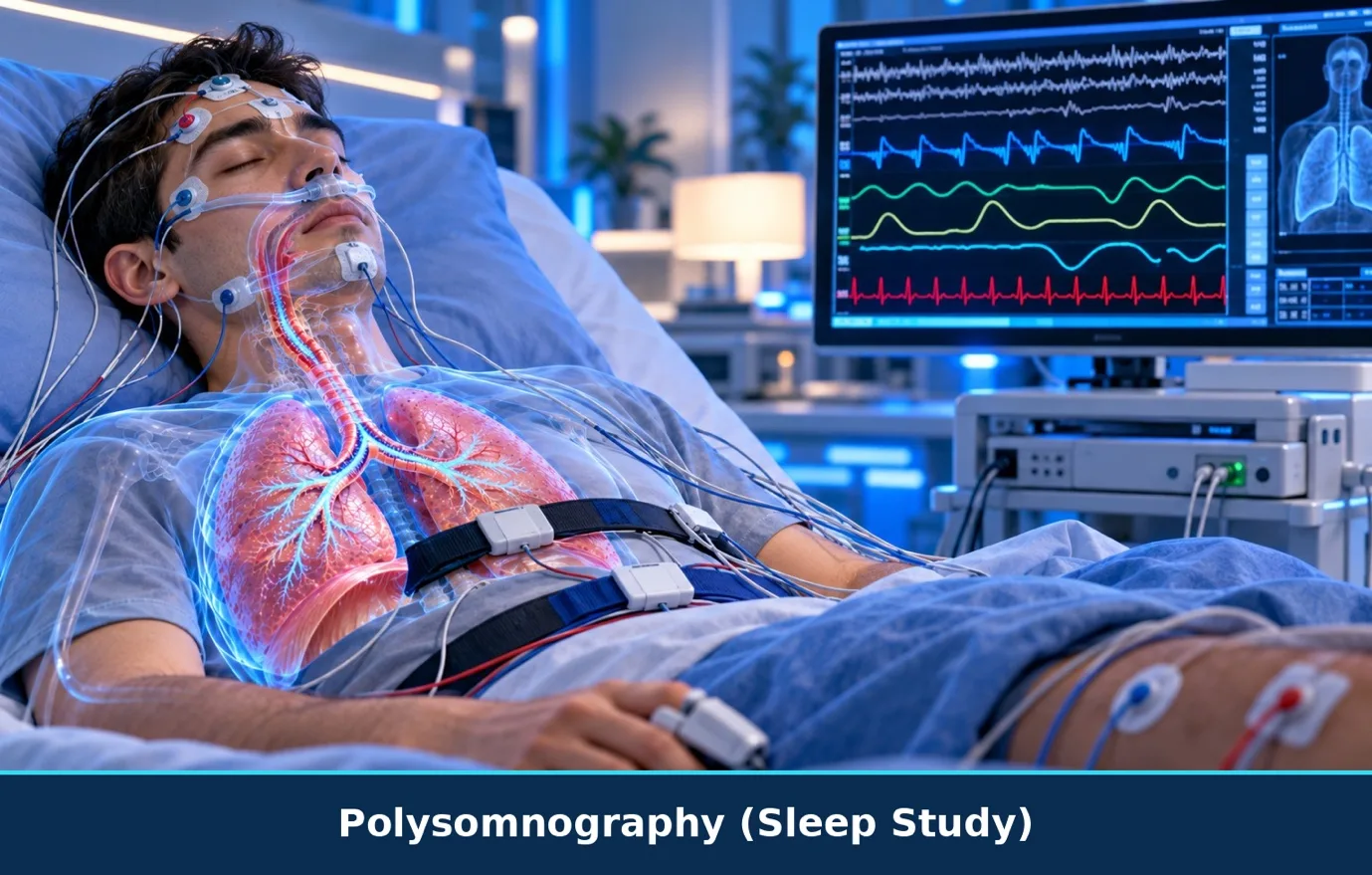
- Overnight polysomnography (sleep study)
- Home sleep apnoea testing in selected patients
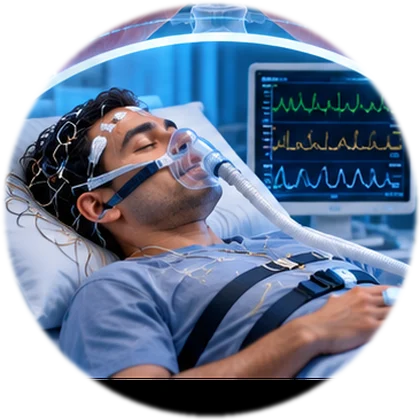
- CPAP titration study
Available treatment approaches
- Continuous positive airway pressure (CPAP) therapy — the most effective treatment for moderate to severe OSA
- Weight management and lifestyle changes
- Positional therapy for position-dependent OSA
- Avoiding alcohol and sedatives before bedtime
- Oral appliances or ENT referral in selected patients
Treatment is individualised. The options above are general information; your doctor will recommend what is appropriate for you after assessment. Outcomes vary from person to person.
Frequently asked questions
No. Many people snore without having sleep apnea. However, loud snoring with pauses in breathing or daytime sleepiness should be evaluated with a sleep study.
CPAP controls OSA while it is used. Some people who lose significant weight or have other changes may need less treatment, which is reassessed with repeat testing.