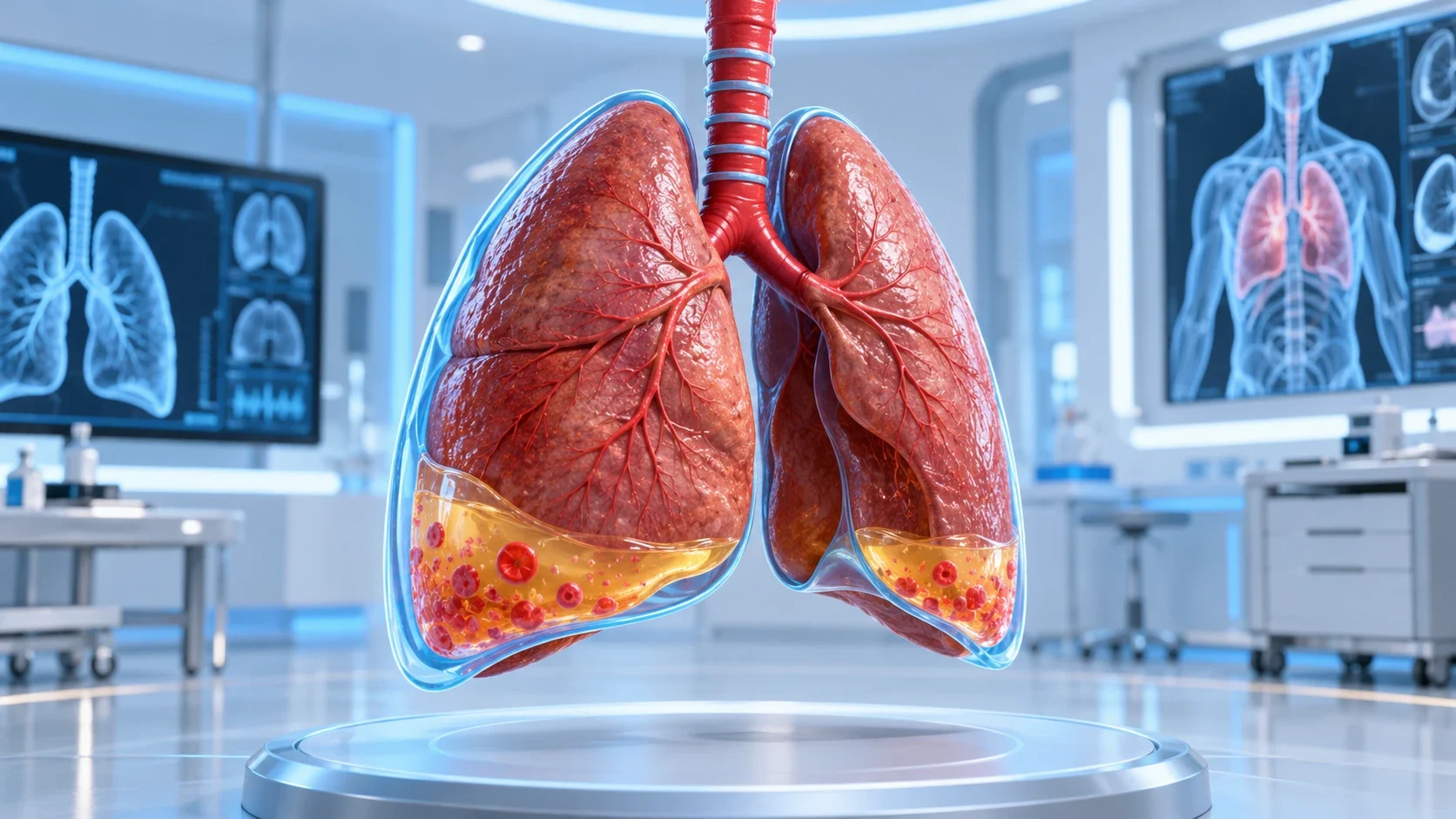
When to seek emergency care: Seek urgent care if breathlessness is suddenly much worse than usual, you develop confusion or drowsiness, or your lips or fingertips turn blue.
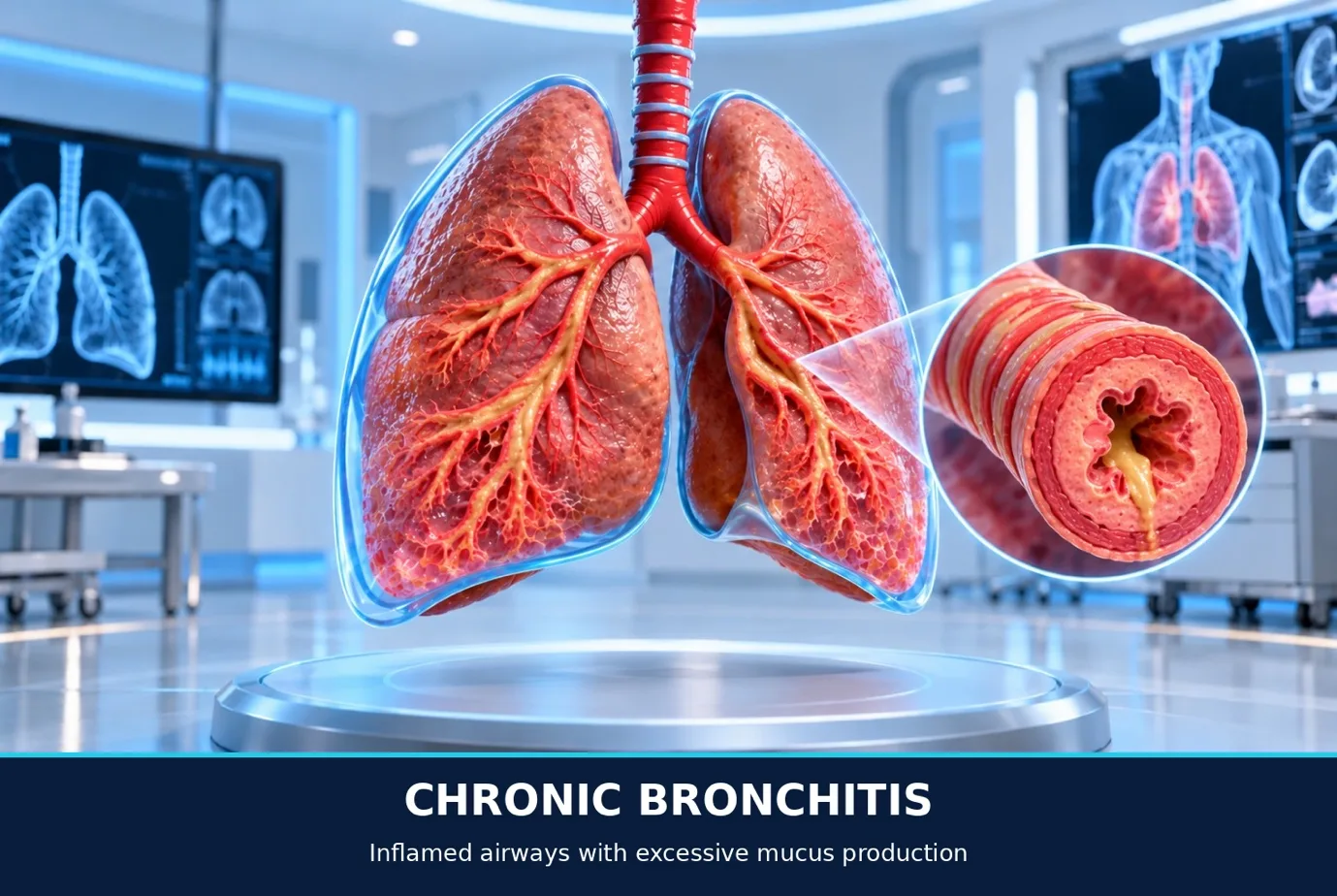
What is COPD?
COPD is a common, preventable and treatable lung disease that causes persistent airflow limitation. It includes chronic bronchitis (long-term inflammation of the airways) and emphysema (damage to the small air sacs).
In India, COPD is strongly associated with tobacco smoking as well as long-term exposure to smoke from biomass cooking fuels, outdoor air pollution and occupational dusts. Early diagnosis and the right treatment can slow progression and improve quality of life.
Common symptoms
- Breathlessness that gradually worsens, especially on exertion
- Persistent cough, often with phlegm, for months or years
- Wheezing and chest tightness
- Frequent chest infections
- Tiredness and reduced exercise capacity
Possible causes & risk factors
- Cigarette, bidi or hookah smoking (current or past)
- Indoor smoke from wood, dung or coal used for cooking or heating
- Outdoor air pollution
- Occupational exposure to dust, chemicals and fumes
- Previous severe lung infections, including tuberculosis
- Rarely, genetic conditions such as alpha-1 antitrypsin deficiency
When should you consult a pulmonologist?
- You are over 35–40 years of age, have a history of smoking or smoke exposure, and have a cough or breathlessness
- Breathlessness is limiting your walking or daily activities
- You have frequent 'chest colds' that take a long time to settle
- You have been diagnosed with COPD but still have symptoms despite treatment
Diagnostic investigations
Your evaluation is tailored to your symptoms and history. It may include:
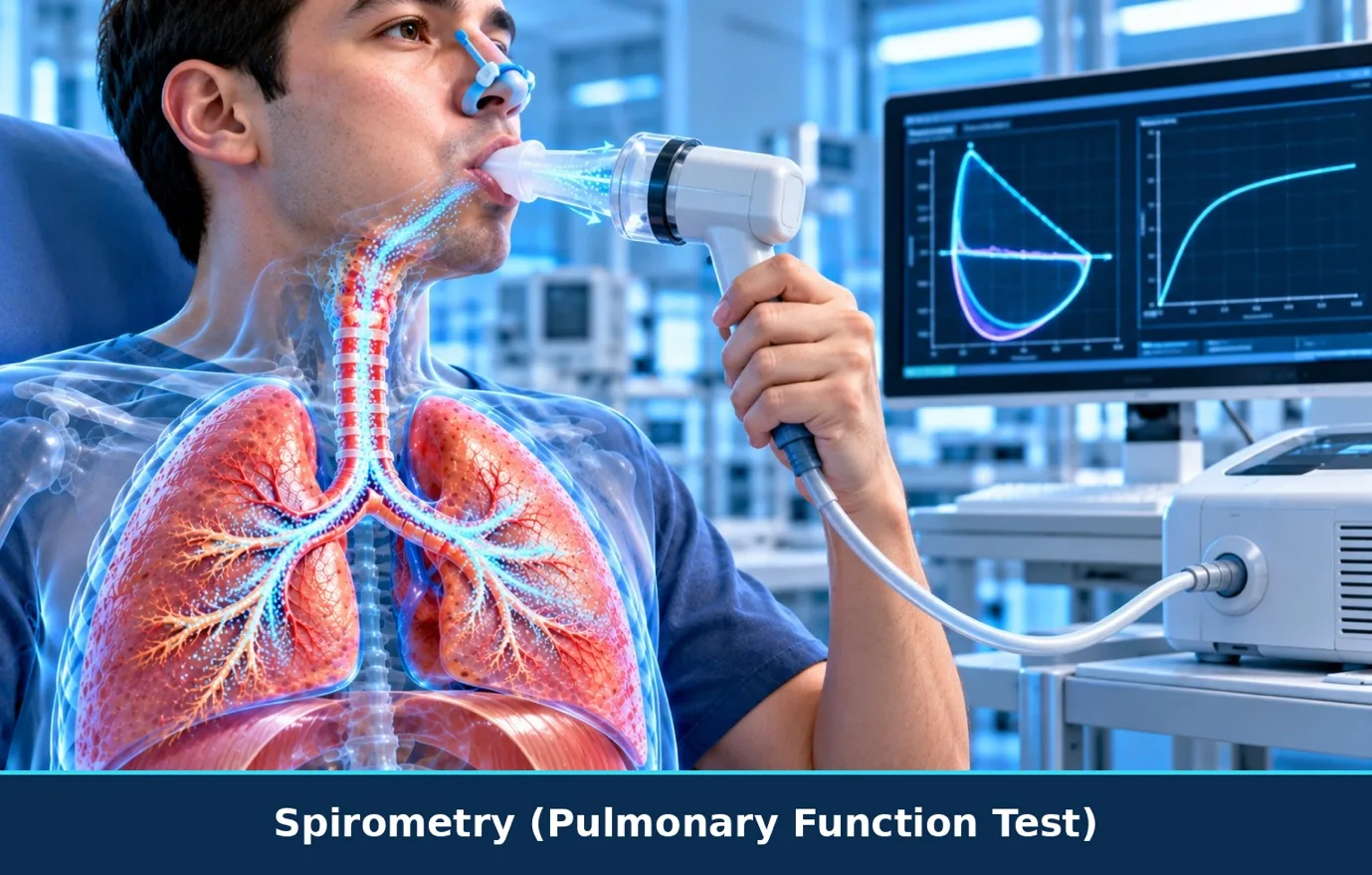
- Spirometry — essential to confirm COPD
- Chest X-ray and, when indicated, CT scan of the chest
- Diffusion capacity (DLCO) and lung volumes
- Six-minute walk test
- Pulse oximetry and arterial blood gas when required
Available treatment approaches
- Stopping smoking — the single most effective step; support and counselling are offered
- Long-acting bronchodilator inhalers, with or without inhaled corticosteroids, as appropriate
- Correct inhaler technique and device selection
- Vaccinations, including influenza and pneumococcal vaccines
- Pulmonary rehabilitation and breathing exercises
- Oxygen therapy or home non-invasive ventilation (BiPAP/NIV) for selected patients
- A written plan for managing flare-ups (exacerbations)
Treatment is individualised. The options above are general information; your doctor will recommend what is appropriate for you after assessment. Outcomes vary from person to person.
Frequently asked questions
COPD cannot usually be reversed, but it is treatable. Stopping smoking, regular inhaler therapy, vaccinations and rehabilitation can reduce symptoms, prevent flare-ups and slow decline.
Yes. In India, a significant number of people with COPD have never smoked. Long-term exposure to biomass smoke, air pollution, occupational dust and previous tuberculosis are important causes.
Only some people with COPD need home oxygen. The decision is based on measured oxygen levels, not on symptoms alone.